

THE ISSUE

What's Actually Happening
to Property Rights in BC.

A plain-language breakdown of DRIPA, co-management, and why every property owner in this province has a stake in what happens next.

Background

What Is DRIPA?

DRIPA — the Declaration on the Rights of Indigenous Peoples Act — was passed by the BC Legislature in November 2019. It adopts the United Nations Declaration on the Rights of Indigenous Peoples as BC law, making BC the first province in Canada to do so. At the time, it was largely framed as a symbolic gesture of reconciliation.

In 2021, amendments to the Interpretation Act gave DRIPA real legal teeth. Under those amendments, every BC statute must now be interpreted consistently with DRIPA. That means the entire body of BC legislation, from the Land Title Act to municipal zoning codes, must be read through the lens of UNDRIP's provisions, which include the right of Indigenous peoples to give or withhold free, prior, and informed consent over decisions affecting their lands and territories.

What started as a symbolic commitment has become a binding legal framework that affects how all BC laws are read and applied. The implications for property rights, development approvals, Crown land access, and commercial transactions are only beginning to be understood and are nowhere near fully priced into the market.

"Every BC statute must now be interpreted consistently with DRIPA — a binding legal framework that touches every property transaction in the province."
The Problem

When Two Titles Exist on the Same Land

Fee simple title was once the clearest legal instrument in Canada. DRIPA has introduced a layer of uncertainty that the BC property market has no precedent for navigating.

Before DRIPA

Fee simple title was definitive. Your title search was conclusive.

Banks lent against it without hesitation. Development approvals were predictable.

Legal certainty was the foundation of the entire BC real estate market.

After DRIPA

Fee simple title now coexists with unresolved aboriginal title claims across much of the province.

Every development approval may trigger consultation requirements with no defined timeline or outcome.

Legal counsel now routinely flags DRIPA risk in commercial transactions. Insurers are slowly beginning to price the uncertainty.

Co-Management

What Co-Management Actually Means

Co-management frameworks are being introduced across BC in ways that touch property owners at every level. This affects everyone from homeowners to commercial developers to agricultural operators.

A detached family home on a residential street 01

A homeowner wants to renovate near a waterway

Under co-management frameworks, certain home improvement projects near water, heritage areas, or culturally significant land may require additional consultation with First Nations governing bodies before permits are issued. There is no defined timeline for that consultation, and no mechanism for appeal if it stalls.
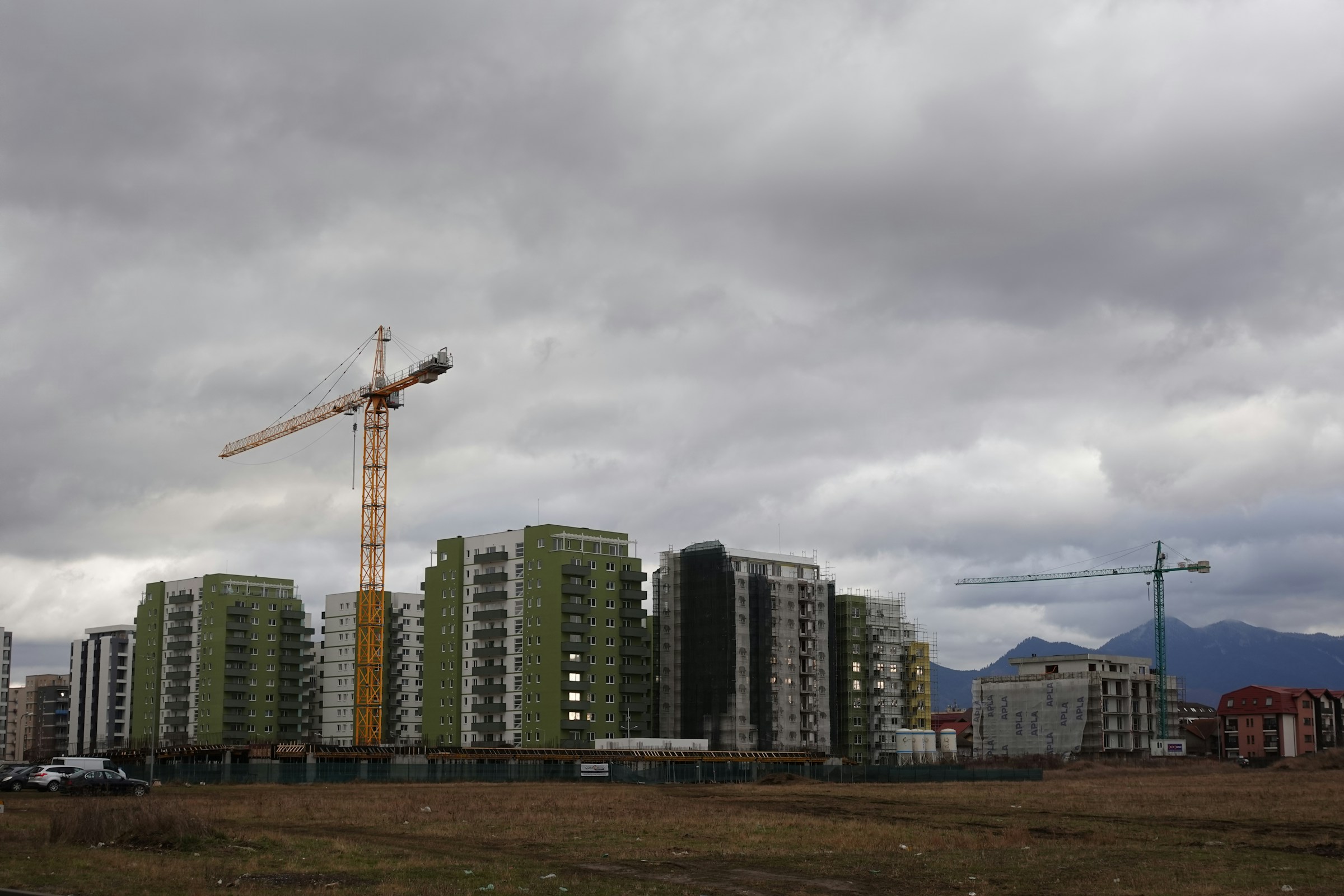

A residential development under construction with a tower crane 02

A developer wants to build on fee simple land

Development approvals that would previously have gone through a straightforward municipal process may now involve consultations that have no defined timeline or outcome, creating financing and scheduling risk. Lenders who once treated fee simple title as ironclad security are beginning to require DRIPA opinions before advancing funds.

Aerial view of agricultural fields 03

A farmer wants to access Crown land adjacent to their property

Crown land access that was previously available on a race-neutral basis is increasingly allocated through processes that privilege certain applicants, regardless of established use or tenure. Farmers, ranchers, and resource operators who have relied on these arrangements for generations have no recourse under the current framework.

Accountability

Negotiations Without Deadlines or Transparency

BC has been in treaty negotiations with dozens of First Nations for over 30 years. Many negotiations have no public timeline, no published negotiating positions, and no mechanism for property owners to understand what is being agreed to on their behalf. Land that is subject to unresolved treaty negotiations remains in legal limbo and that limbo is now supercharged by DRIPA.

PRDF is calling for mandatory disclosure of negotiating positions, hard statutory deadlines, and a requirement that all final agreements be ratified by both parties and published in full before taking effect. These are not radical positions — they are the minimum standards of a functioning democratic system negotiating on behalf of its citizens.

The current system creates permanent uncertainty — the most destructive possible environment for property markets, investment decision making, and long-term planning. Uncertainty is not neutral. It has a cost. And right now, that cost is being borne entirely by property owners who had no say in any of this.

The Stakes

This Affects Every Property Owner in BC

You may not have voted on DRIPA. You may not have been consulted on co-management frameworks. You may not have known that the Interpretation Act amendments made UNDRIP binding on every BC statute. But the law applies to your property regardless of whether you were paying attention when it passed.

The decisions being made right now — in treaty negotiations, in cabinet policy meetings, in municipal planning departments, and in the courts — will determine whether BC property rights remain one of the most secure in the world, or whether they become permanently encumbered by an open-ended web of obligations that no title search can fully clarify. PRDF's platform is the minimum required to restore legal certainty and hold BC's political leaders accountable to property owners.

01

Repeal DRIPA Immediately

Repeal DRIPA immediately, and undo the Interpretation Act amendments that give teeth to DRIPA legislation.

02

Property Rights Clarification Act

Pass a "Property Rights Clarification Act" that enshrines in legislation that all parcels held as fee simple extinguish aboriginal title on that parcel. There cannot be co-existence of aboriginal and fee simple title anywhere in BC. The legal and constitutional principle guiding this will be the appropriate assertion of parliamentary supremacy against activist judicial rulings.

03

End Official Land Acknowledgements

End the practice of land acknowledgements by publicly funded institutions.

04

No Co-Management of Public Lands

Promise that there will be no regulatory authority or co-management of public lands. No native tribe can have independent authority to regulate or veto improvements and operations on Crown land, nor on government-regulated assets tied to privately held property.

05

Race-Neutral Access to Public Land

Equal access to Crown land and public parks.

06

No Secret Treaty Negotiations

No secret treaty negotiations, and an introduction of a hard deadline on how long treaty negotiations can take place.

07

Fast, Fair and Final Treaties

Ensure all treaties are conducted on a fast, fair and final basis.

Add your name to the record. Every signature matters.

Join BC property owners calling on our leaders to defend private property rights.